Interdisciplinary Dance Contest
Interdisciplinary Dance Contest is an event based on improvised dance battles, open to dancers of all styles and movement backgrounds.
Friday, July 24, 19:00–22:00
VIII Liceum Ogólnokształcące im. Stanisława Wyspiańskiego w Krakowie, Grzegórzecka 24, 31-531 Kraków
The event focuses on creativity, musical interpretation, and individual expression rather than pre-set choreography. The competition creates a space where diverse communities, movement languages, and artistic perspectives meet.
Prizes
1. 1000 PLN
2. 500 PLN
3. 300 PLN
This year, we are returning with an even stronger second edition.
This time, you can look forward to:
— more diverse music
— a larger venue
— a better sound system
— additional attractions prepared in collaboration with our partners
The event format will consist of:
— a group stage
— Top 16
— a battle for 3rd place
— the final
During the Top 16 stage, participants will have access to special „lifelines.”
Registration for participants is completely free.
We invite dancers of all styles and movement backgrounds, including:
contemporary, modern, jazz, freestyle, hip hop, house, breaking, popping, locking, waacking, vogue, heels, experimental movement, floorwork, physical theatre, improvisation, movement research, and more.
This is not just a competition.
It is a meeting of diverse energies, communities, and movement perspectives.
Project co-financed by the City of Kraków.
Everything you need to know about the Qualifiers
The Qualifiers are the first stage of the Interdisciplinary Dance Contest. This is where every participant has the opportunity to showcase their improvisation skills and fight for a place in the TOP 16.
How do the Qualifiers work?
All participants will be divided into several groups.
Each group will perform one after another. Once one group finishes, the next group will enter the dance floor.
Each group will improvise to several songs selected and mixed live by the DJ. The music will change throughout the round, so adaptability, creativity and musicality are key.
Each qualifying round will last approximately 3–5 minutes, depending on the number of participants.
How is the TOP 16 selected?
After all qualifying rounds, the judges will select 16 dancers to advance to the knockout stage.
Judges may:
- qualify a dancer immediately after their performance,
- or wait until all qualifying rounds are finished before making their final decisions.
Each judge has 5 votes to award.
In addition, the organizer will award one Wild Card, which will be announced as a special surprise.
What are the judges looking for?
Your dance style doesn’t matter.
Your outfit doesn’t matter.
Your gender or age doesn’t matter.
What truly matters is:
- improvisation,
- musicality,
- creativity,
- movement quality,
- stage presence,
- storytelling through movement,
- authenticity and emotion.
We want to remember your performance long after the music stops.
Move us.ann
Knockout Phase (TOP 16)
After the qualification round, the 16 highest-scoring dancers advance to the Knockout Phase.
Each battle is held in a 1 vs 1 format and consists of two rounds.
In the first round, one dancer starts the battle. Before dancing, they listen to the first proposed track and decide whether to keep it or skip it. If they don’t like the music, they may reject it and move on to the next option. A maximum of three tracks will be offered.
If the dancer skips the first track, they may choose between the second and third. If they also reject the second, only the third track remains. Once a track has been skipped, it cannot be selected again.
After the track is chosen, both dancers perform to the same song. The dancer who selected the music performs first, followed by their opponent. Each dancer has 60 seconds to improvise.
The second round follows the same format, but with reversed roles. The second dancer now chooses the music (under the same rules), performs first, and the first dancer responds.
This ensures that each dancer:
- starts one round,
- chooses the music for one round,
- dances first once and second once,
- has equal influence on the battle.
Power-Ups
Before the Knockout Phase begins, each dancer chooses one of the three available power-ups.
The selected power-up can be used only once during the entire Knockout Phase (Round of 16, Quarterfinals and Semifinals).
More information about the three power-ups will be announced soon.
Judging
After both rounds, the jury selects the winner based on the overall performance.
If the jury vote results in a draw (for example: win – loss – draw), a 60-second overtime round will determine the winner.
Final
The Final is held in an extended format.
Each finalist performs a 90-second improvisation.
During the Final, track selection and power-ups are no longer available. All music is selected by the DJ, and dancers hear each track only when the round begins.
Power-Ups (TOP 16)
Before the TOP 16 begins, every dancer chooses one of the three available power-ups. The selected power-up may be used only once during the entire Knockout Phase (Round of 16, Quarterfinals and Semifinals).
Power-ups are not available during the Final or the 3rd Place Battle.
Crowd Choice
After the battle, instead of the standard jury decision, the dancer may hand the final decision over to the audience.
The winner is decided by everyone present in the venue – the audience, the jury and the other competitors – through a collective vote.
Run It Back
After both performances are completed, the dancer may request one additional 60-second round.
The music is selected randomly by the DJ. The track cannot be previewed, skipped or changed.
Song Change
This power-up allows the dancer to replace a selected track once.
It may be used:
- on the dancer’s own selected track,
- or on the opponent’s selected track.
If activated, the DJ immediately selects a new random track. No additional skipping or choosing is allowed.
The power-up must be declared before the dancer begins their performance. Once the first performance to that track has started, the music can no longer be changed, as both dancers perform to the same song.
Jury
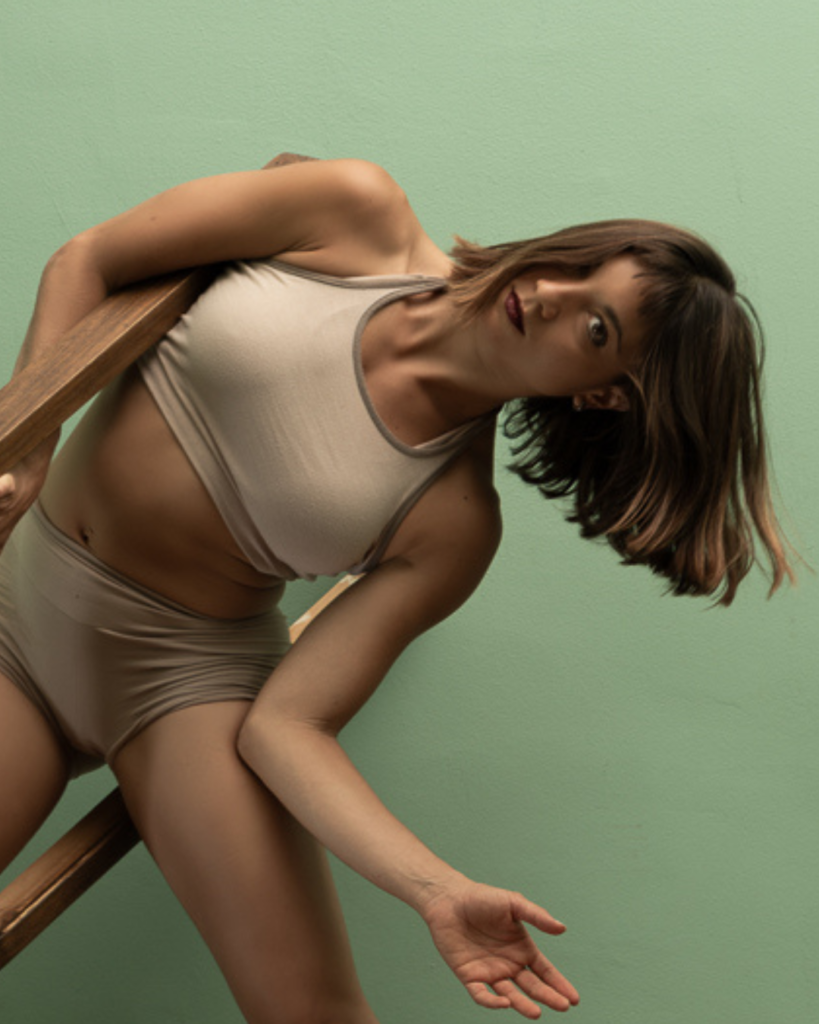
Yasmin Iriel Frione

Tomasz Groń
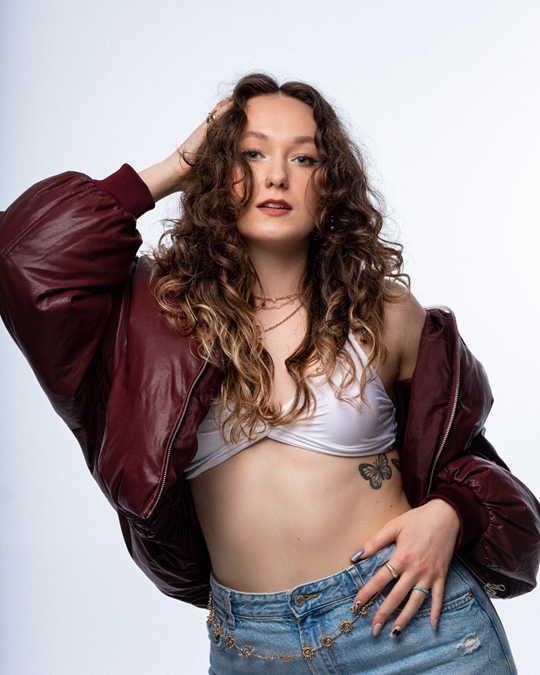
Olga Arendarczyk